Supply chain verification:
Nike's policy is to evaluate potential contracted factories before they enter their supply chain to assess compliance with standards, including country- related risks and issues including forced labour, human trafficking and slavery. Nike uses both internal and external third party audit reassurances in safety, quality, environment, security, financial, and regulatory. They take seriously to the federal and international efforts to end all kinds of forced labour. Nike plans to better map out and understand the impacts that direct suppliers of material have further up the supply chain, to better develop standards of their upstream suppliers of their contracted manufacturers. Compliance with a manufacturer states that they are not to violate laws that correspond with Nike's standards, as per the contract. This contract is responsible for improving performance against a master action plan. If the manufacturer fails to make progress against the plan, they are subjected to review and sanctions, including potential termination. Training is a key factor that all employees and management with direct responsibility for supply chain management are required to complete. Training on forced labour, human trafficking and slavery are all provided.
Nike monitoring letter of assessment criteria
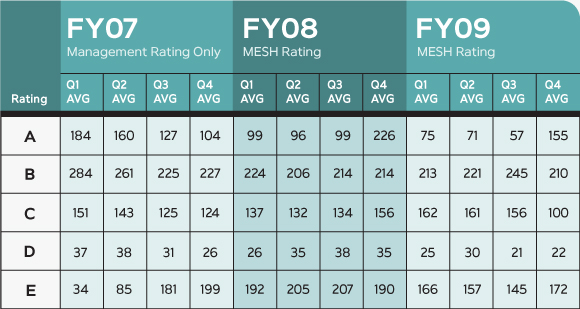
The table below, along with the table in the “Standards of Compliance” section, demonstrate how Nike currently grades manufacturer when it comes to compliance standards and requirements. Nike contracted focus factories receive a comprehensive management audit every 1-3 years depending on their compliance record. The factories are later graded based on the lowest result observed, reflecting all relevant information about a factory's compliance of performance. The lowest graded factory that get assigned 'D' or 'E' are revised and approached to better improve the problems that have not been addressed, or have not made the master plan criteria. Identifying the problems or issues before hand will better reflect the companies understanding in where the faults lie, keeping their ethical and professional image.
Nike's policy is to evaluate potential contracted factories before they enter their supply chain to assess compliance with standards, including country- related risks and issues including forced labour, human trafficking and slavery. Nike uses both internal and external third party audit reassurances in safety, quality, environment, security, financial, and regulatory. They take seriously to the federal and international efforts to end all kinds of forced labour. Nike plans to better map out and understand the impacts that direct suppliers of material have further up the supply chain, to better develop standards of their upstream suppliers of their contracted manufacturers. Compliance with a manufacturer states that they are not to violate laws that correspond with Nike's standards, as per the contract. This contract is responsible for improving performance against a master action plan. If the manufacturer fails to make progress against the plan, they are subjected to review and sanctions, including potential termination. Training is a key factor that all employees and management with direct responsibility for supply chain management are required to complete. Training on forced labour, human trafficking and slavery are all provided.
Nike monitoring letter of assessment criteria
The table below, along with the table in the “Standards of Compliance” section, demonstrate how Nike currently grades manufacturer when it comes to compliance standards and requirements. Nike contracted focus factories receive a comprehensive management audit every 1-3 years depending on their compliance record. The factories are later graded based on the lowest result observed, reflecting all relevant information about a factory's compliance of performance. The lowest graded factory that get assigned 'D' or 'E' are revised and approached to better improve the problems that have not been addressed, or have not made the master plan criteria. Identifying the problems or issues before hand will better reflect the companies understanding in where the faults lie, keeping their ethical and professional image.